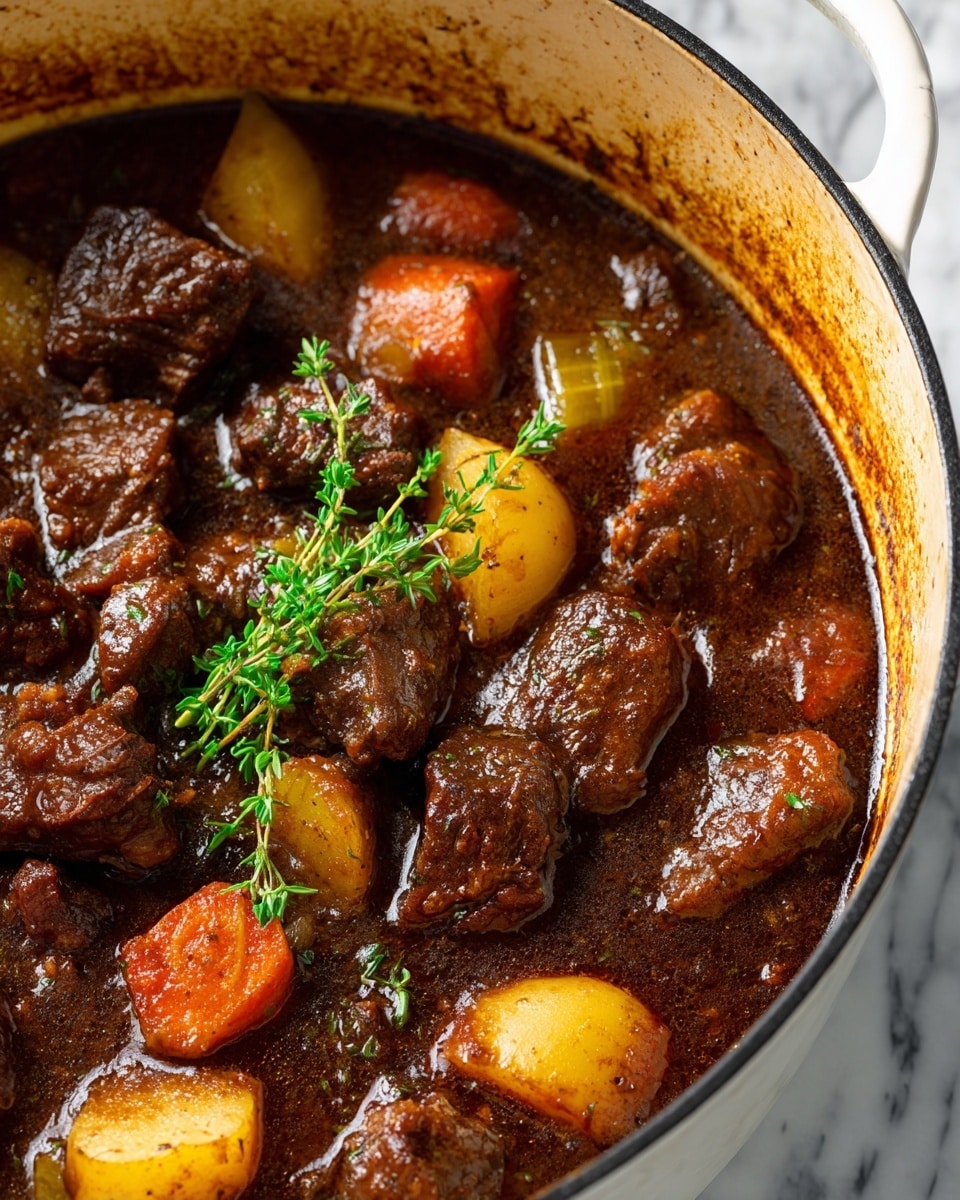
Unlock Deep Flavor: Secrets to Perfect Beef Guinness Stew
There are few dishes that evoke the same sense of warmth, comfort, and deep satisfaction as a truly well-made stew. Among the pantheon of hearty, slow-cooked meals, beef and Guinness stew stands as an undisputed champion. This iconic dish, with its rich, complex flavors and melt-in-your-mouth tenderness, transcends mere sustenance to become an experience. It's the kind of meal that whispers tales of cozy evenings, robust gatherings, and the simple joy of good food shared. While many attempt this culinary classic, achieving that truly perfect balance of savory, sweet, and malty notes requires a blend of quality ingredients, precise technique, and a dash of patience. This comprehensive guide will reveal the secrets to transforming humble ingredients into an unforgettable beef and Guinness stew that will have everyone asking for seconds. If you're wondering Why Beef & Guinness Stew is Your Go-To Comfort Food, you're about to find out!The Heart of the Stew: Why Beef & Guinness is a Match Made in Heaven
The magic of beef and Guinness stew lies in the masterful interplay between its two namesake ingredients. It’s a culinary romance where robust beef meets the dark, malty complexity of Irish stout, creating a flavor profile far greater than the sum of its parts. Understanding why these elements work so well together is the first step to crafting an extraordinary stew.Choosing Your Beef Wisely
The foundation of any great beef stew is, naturally, the beef itself. For a beef and Guinness stew, you need cuts that can stand up to long, slow cooking, breaking down into succulent, tender morsels while imparting deep flavor to the broth.- Chuck Roast: This is arguably the best choice. It's affordable, well-marbled, and contains connective tissue that, when cooked slowly, breaks down into gelatin, enriching the stew and keeping the meat moist. Cut it into 1.5 to 2-inch cubes for even cooking.
- Brisket: Another excellent option, especially the flat cut. It offers a similar tenderness and flavor profile to chuck when slow-cooked.
- Round (Bottom or Top): While leaner, if cooked long enough, it can also become tender. However, it might not offer the same richness as chuck or brisket. Avoid very lean cuts like sirloin, which will dry out and become tough.
Always ensure your beef is cut into relatively uniform pieces to promote even cooking. Patting the beef dry before browning is a critical step for developing that crucial deep, caramelized crust.
The Magic of Guinness
Guinness isn't just a liquid; it's a flavor enhancer of epic proportions. Its rich, roasted barley notes, subtle bitterness, and creamy mouthfeel bring unparalleled depth to the stew.- Depth of Flavor: Guinness imparts a distinctive malty sweetness, a slight coffee-like bitterness, and a roasted depth that complements the savory beef beautifully. It doesn't make the stew taste like beer, but rather adds layers of umami and complexity.
- Tenderizing Effect: The slight acidity in Guinness, like other alcoholic beverages, can help tenderize the meat fibers during the long cooking process.
- Building the Base: As the stew simmers, the alcohol evaporates, leaving behind concentrated flavors that meld with the broth and vegetables, creating a truly unforgettable sauce. While Guinness Draught is traditional, some chefs prefer Guinness Foreign Extra Stout for an even bolder flavor.
A Symphony of Aromatics and Vegetables
Beyond beef and stout, the supporting cast of vegetables and herbs plays a vital role in building the layered flavors of your beef and Guinness stew.- Onions and Garlic: The quintessential aromatic base, providing a sweet and pungent foundation. Sautéing them until translucent (and even slightly caramelized) before adding other liquids is key.
- Carrots and Celery (Mirepoix): These add sweetness, earthiness, and essential bulk to the stew. Cut them into substantial chunks to prevent them from disintegrating during the long cook.
- Potatoes: While some prefer to serve the stew over mashed potatoes, adding chunks of waxy potatoes (like Yukon Gold or red potatoes) directly into the stew can absorb the rich flavors beautifully. Add them later in the cooking process to avoid them becoming mushy.
- Herbs: Fresh thyme and bay leaves are non-negotiable. They infuse a fragrant, earthy essence that defines the stew's character. Rosemary can also be a wonderful addition, used sparingly.
- Tomato Paste: A small amount of tomato paste, cooked down, adds a crucial umami punch and a touch of acidity that balances the richness of the stew.
Mastering the Technique: Steps to an Unforgettable Beef Guinness Stew
Crafting the perfect beef and Guinness stew isn't just about throwing ingredients into a pot; it's about following a sequence of steps that build flavor at each stage. Precision and patience are your best tools.Browning for Depth: The Maillard Reaction
This is perhaps the most crucial step for developing profound flavor in your stew. Do not skip or rush it!- Preparation: Pat your beef cubes thoroughly dry with paper towels. Moisture inhibits browning. Season generously with salt and freshly ground black pepper.
- Searing: Heat a heavy-bottomed pot or Dutch oven (cast iron is ideal) over medium-high heat with a high-smoke-point oil (like vegetable or canola). Work in batches, ensuring not to overcrowd the pot. You want a deep, dark crust on all sides of the beef, not merely steamed meat. This caramelization (the Maillard reaction) creates hundreds of new flavor compounds.
- Remove & Reserve: Once browned, remove the beef and set it aside. Leave the flavorful fond (the browned bits) in the pot.
Deglazing and Layering Flavors
After browning the beef, the pot contains a treasure trove of flavor. This is where the aromatics and the star liquid come in.- Sautéing Aromatics: Add a little more oil if needed, then add chopped onions, carrots, and celery. Cook until softened and slightly caramelized, scraping up the fond from the bottom of the pot as they cook.
- Tomato Paste Power: Stir in the tomato paste and cook for 1-2 minutes, stirring constantly. This deepens its flavor and color.
- The Guinness Pour: Pour in the Guinness. The cold liquid will help lift all those delicious browned bits from the bottom of the pot – this is called deglazing, and it's essential for a rich sauce. Bring to a simmer, scraping vigorously.
- Beef Broth & Herbs: Add good quality beef broth (or stock) and your fresh herbs (thyme, bay leaves). Return the browned beef to the pot, ensuring it's mostly submerged.
The Art of Simmering: Low and Slow for Tenderness
Patience is a virtue when making a truly tender beef and Guinness stew.- Gentle Heat: Bring the stew to a gentle simmer, then reduce the heat to low, cover the pot, and cook. This can be done on the stovetop or, even better, in a preheated oven at 300°F (150°C).
- Cooking Time: Cook for at least 2.5 to 3 hours, or until the beef is fork-tender and easily pulls apart. Stir occasionally to prevent sticking and ensure even cooking. If adding potatoes, do so about 45 minutes to an hour before the end of the cooking time.
Thickening Secrets: Achieving the Perfect Consistency
A great beef and Guinness stew has a rich, velvety sauce, not a watery one.- Flour Dredging (Initial): Some recipes suggest dredging the beef in flour before browning. This can help create a thicker sauce from the start.
- Slurry (Later): If your stew isn't thick enough at the end, make a slurry by whisking together a tablespoon or two of flour or cornstarch with an equal amount of cold water until smooth. Stir this into the simmering stew and cook for a few minutes until thickened.
- Reduction: Alternatively, remove the lid for the last 30-60 minutes of cooking to allow some liquid to evaporate and the sauce to naturally reduce and thicken.
For a detailed, step-by-step approach, be sure to check out our Classic Beef & Guinness Stew: The Ultimate Recipe.
Beyond the Basics: Elevating Your Beef and Guinness Stew
While the traditional recipe for beef and Guinness stew is phenomenal on its own, a few extra touches can elevate it to truly gourmet status.Ingredient Upgrades and Optional Additions
Don't be afraid to experiment once you've mastered the classic.- Bacon or Pancetta: Sautéing diced bacon or pancetta before browning the beef adds an incredible smoky, savory layer of flavor. Remove it once crispy, then crumble it over the finished stew.
- Mushrooms: Sliced cremini or shiitake mushrooms added with the aromatics or later in the cooking process add an earthy umami.
- Pearl Onions: Small, sweet pearl onions can be added towards the end of cooking for a beautiful presentation and burst of flavor.
- Worcestershire Sauce & Dijon Mustard: A dash of these can amplify the savory notes and add a subtle tang.
- Fresh Parsley: A sprinkle of fresh chopped parsley at the very end brightens the dish and adds a lovely fresh counterpoint.
Perfect Pairings for Your Hearty Beef Stew
What you serve alongside your beef and Guinness stew can complete the meal.- Creamy Mashed Potatoes: The ultimate classic. The rich, buttery potatoes are perfect for soaking up every drop of that incredible sauce.
- Crusty Bread: A good sourdough or crusty baguette is essential for mopping up the gravy.
- Colcannon: An Irish classic of mashed potatoes mixed with cabbage or kale, a perfect traditional accompaniment.
- Soda Bread: Another Irish staple that pairs wonderfully.
- Green Salad: A simple, lightly dressed green salad can offer a refreshing contrast to the richness of the stew.
Make-Ahead & Freezing Tips
Beef and Guinness stew is one of those magical dishes that often tastes even better the next day as the flavors continue to meld.- Make-Ahead: Prepare the stew entirely a day or two in advance. Store it in an airtight container in the refrigerator. Reheat gently on the stovetop or in the oven, adding a splash of broth or water if it's too thick.
- Freezing: This stew freezes beautifully! Once completely cooled, transfer it to freezer-safe containers or bags, leaving some headspace. It can be frozen for up to 3-4 months. Thaw overnight in the refrigerator and reheat thoroughly.
