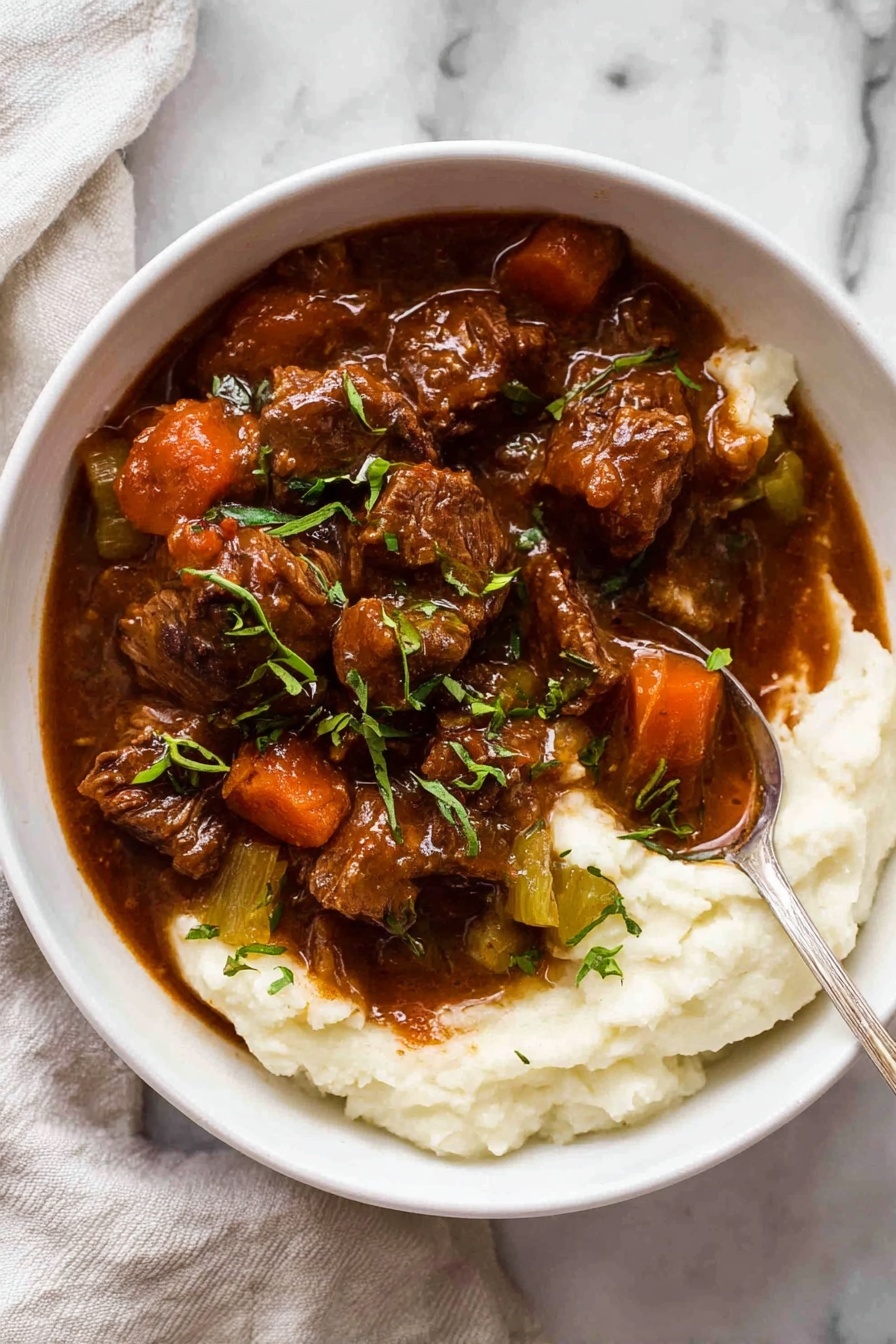
The Heart of Irish Comfort: Why Classic Beef & Guinness Stew Reigns Supreme
There are few dishes that evoke the feeling of warmth, tradition, and profound comfort quite like a hearty beef and Guinness stew. Originating from the verdant fields and welcoming kitchens of Ireland, this iconic dish transcends mere sustenance, offering a rich tapestry of flavors that tells a story with every spoonful. Imagine succulent chunks of beef, slow-cooked to fork-tender perfection, swimming in a deep, malty, and incredibly flavorful gravy infused with the unmistakable notes of dark stout. It's a culinary hug on a chilly evening, a celebratory meal for St. Patrick's Day, and an undeniable crowd-pleaser that satisfies the soul. What makes this particular stew so special? It's the magical interplay of simple, robust ingredients transformed by time and technique. The dry Irish stout, typically Guinness, isn't just a liquid base; it's a profound flavor enhancer, tenderizer, and an essential character in this gastronomic drama. Its roasted barley notes and subtle bitterness cut through the richness of the beef, adding a complexity that other stews simply can't match. This isn't just dinner; it's an experience, a journey into the heart of Irish culinary heritage. If you're wondering Why Beef & Guinness Stew is Your Go-To Comfort Food, it's precisely because of this unique blend of warmth, nostalgia, and incredibly satisfying taste.Assembling Your A-Team: Essential Ingredients for the Ultimate Beef & Guinness Stew
Crafting the perfect beef and Guinness stew begins with selecting the right players for your culinary team. Quality ingredients are paramount, as each contributes significantly to the final depth and texture of the dish.- The Beef: For a truly tender stew, opt for cuts like chuck roast, stewing beef, or short ribs. These cuts are rich in connective tissue, which, when slow-cooked, breaks down into gelatin, resulting in that melt-in-your-mouth tenderness and luscious mouthfeel. Aim for cubes roughly 1.5 to 2 inches in size.
- The Stout: Unsurprisingly, Guinness is the star here. Choose a traditional dry Irish stout. Its roasted malt character, subtle bitterness, and creamy head are fundamental to the stew's distinctive flavor profile. Avoid sweetened or flavored stouts, as they won't yield the same results.
- Aromatics: A generous amount of yellow onions, carrots, and celery form the aromatic foundation. Finely diced garlic adds another layer of pungent depth. These vegetables sweeten as they cook, providing balance to the rich stew.
- Flavor Boosters:
- Tomato Paste: A small amount of concentrated tomato paste adds umami and a subtle sweetness that rounds out the flavors.
- Beef Broth: Use a good quality, low-sodium beef broth or stock to control the overall saltiness and reinforce the beefy flavor.
- Worcestershire Sauce: A dash of this savory condiment amplifies the umami.
- Fresh Herbs: Thyme and bay leaves are classic companions to beef and add an earthy, aromatic quality. Use fresh sprigs for the best flavor.
- Potatoes: Waxy potatoes like Yukon Golds or red potatoes hold their shape well during long cooking and add bulk and starch, naturally thickening the stew. Cut them into substantial chunks.
- Thickening Agent (Optional but Recommended): A little all-purpose flour can be used to coat the beef before searing, helping to create a richer crust and thicken the stew. Alternatively, you can make a roux at the beginning or a slurry at the end.
- Pancetta or Bacon (Optional): Diced pancetta or thick-cut bacon can be rendered at the start to provide a layer of smoky, savory fat to cook the vegetables in, adding yet another dimension of flavor.
Crafting Culinary Magic: A Step-by-Step Guide to Your Beef & Guinness Stew
The beauty of a classic beef and Guinness stew lies in its straightforward yet precise method. Follow these steps for a truly exceptional result:Step 1: Prep and Sear the Beef – The Flavor Foundation
This is arguably the most crucial step for a deeply flavorful stew. Pat your beef cubes thoroughly dry with paper towels. Season generously with salt and freshly ground black pepper. If using, toss the beef lightly with a tablespoon or two of all-purpose flour. Heat a heavy-bottomed Dutch oven or large pot over medium-high heat. Add a tablespoon or two of oil (or render pancetta/bacon first). Sear the beef in batches, ensuring not to overcrowd the pan. You want a beautiful, deep brown crust on all sides. This browning, known as the Maillard reaction, creates hundreds of complex flavor compounds that are essential for the richness of your stew. Don't rush this! Remove the seared beef to a plate and set aside. To dive deeper into how this step impacts the final dish, read our article on Unlock Deep Flavor: Secrets to Perfect Beef Guinness Stew.
Step 2: Sauté the Aromatics – Building the Base
Reduce the heat to medium. Add a little more oil to the pot if needed. Add your chopped onions, carrots, and celery. Sauté for 8-10 minutes, stirring occasionally, until they begin to soften and sweeten. Add the minced garlic and tomato paste, cooking for another 1-2 minutes until fragrant and the tomato paste darkens slightly, indicating its flavors have deepened.
Step 3: Deglaze with Guinness & Build Flavor
Pour in the Guinness. Use a wooden spoon to scrape up any browned bits from the bottom of the pot. These bits are pure flavor! Bring the stout to a simmer and let it cook for 5-7 minutes, allowing some of the alcohol to evaporate and the liquid to reduce slightly. This concentrates the malty flavors. Return the seared beef to the pot. Add the beef broth, Worcestershire sauce, fresh thyme sprigs, and bay leaves. Ensure the beef is mostly submerged; if not, add a little more broth or water.
Step 4: Simmer to Perfection – Low and Slow is the Key
Bring the stew to a gentle simmer on the stovetop, then reduce the heat to low, cover, and let it cook for at least 2 to 2.5 hours, or until the beef is very tender. Alternatively, you can transfer the covered Dutch oven to a preheated oven at 325°F (160°C) for the same duration. The low and slow cooking process is vital for breaking down the tough connective tissues in the beef, resulting in that characteristic fall-apart tenderness. Check occasionally to stir and ensure there's enough liquid.
Step 5: Add Vegetables & Finish – Perfect Texture
After the initial cooking time, add the chopped potatoes (and any remaining root vegetables like parsnips, if using) to the pot. Stir well, ensuring the vegetables are submerged. Continue to simmer, covered, for another 30-45 minutes, or until the potatoes are fork-tender and the stew has thickened to your desired consistency. If the stew is too thin, you can uncover it for the last 15-20 minutes of cooking to allow some liquid to evaporate, or make a slurry of cornstarch and water to stir in gradually. Remove the bay leaves and thyme stems before serving. Taste and adjust seasonings – you may need more salt and pepper.
Elevating Your Stew: Expert Tips & Serving Suggestions
While the core recipe for beef and Guinness stew is robust, a few expert tips can elevate your creation from excellent to extraordinary:- Make Ahead for Deeper Flavor: Like many stews, this dish often tastes even better the next day. The flavors meld and deepen overnight, making it an ideal make-ahead meal for entertaining or busy weekdays. Simply reheat gently on the stovetop or in the oven.
- Don't Skimp on Browning: We can't stress this enough. The dark, caramelized crust on the beef is not just for aesthetics; it's the foundation of the stew's complex flavor.
- Adjusting Consistency: If your stew is too thin, you can simmer it uncovered to reduce the liquid. If it's too thick, add a little more beef broth or water. For a quick thicken, make a slurry of 1 tbsp cornstarch mixed with 2 tbsp cold water, then stir it into the simmering stew until it reaches your desired thickness.
- Seasoning Throughout: Don't just season at the end. Season the beef before searing and taste the stew periodically during the last stages of cooking to adjust salt, pepper, and potentially a dash more Worcestershire sauce.
- Serving Suggestions: A classic beef and Guinness stew is incredibly versatile in how it's served.
- Creamy Mashed Potatoes: The ultimate pairing, allowing the rich gravy to soak into the fluffy potatoes.
- Crusty Bread: Perfect for mopping up every last drop of that glorious sauce.
- Colcannon: A traditional Irish side of mashed potatoes with cabbage or kale, offering a delightful texture and flavor contrast.
- Green Salad: A simple green salad with a sharp vinaigrette can cut through the richness.
- Garnish: A sprinkle of fresh parsley or chives adds a touch of color and freshness.
- Drink Pairing: Naturally, more Guinness or a robust red wine like a Cabernet Sauvignon or Merlot would complement the stew beautifully.
